


If you're a military family who rents — and most of us do at some point — your standard renters insurance policy may cover far less than you think.

Your Phone Is Costing You More Than You Think: What a New Crash Study Means for Your Auto Insurance Rate

The Nuclear Verdict Explosion Explained

If your homeowners insurance premium has jumped significantly in the past year or two, you're not imagining it — and you're not alone.

The homeowners insurance "fragmented phase" story — why national headlines about "stabilizing rates" don't match the reality for homeowners in NC, VA, TX, and KY.

Military families face rising Tricare costs & fraud risks. Get expert insurance advocacy today to secure your financial future.

If your small business uses any AI tools — and these days, most do — there's a growing chance your commercial liability insurance policy won't cover you if that AI causes a problem. Here's what that means for you, and what to do about it.

Learn how distraction-free driving can save you money on insurance. Adopt safe habits today for better coverage!

Bidding on a public project in NC? Learn what a bid bond is, who needs one, and why missing it can get your bid disqualified. Emerald Insurance Advocates explains.
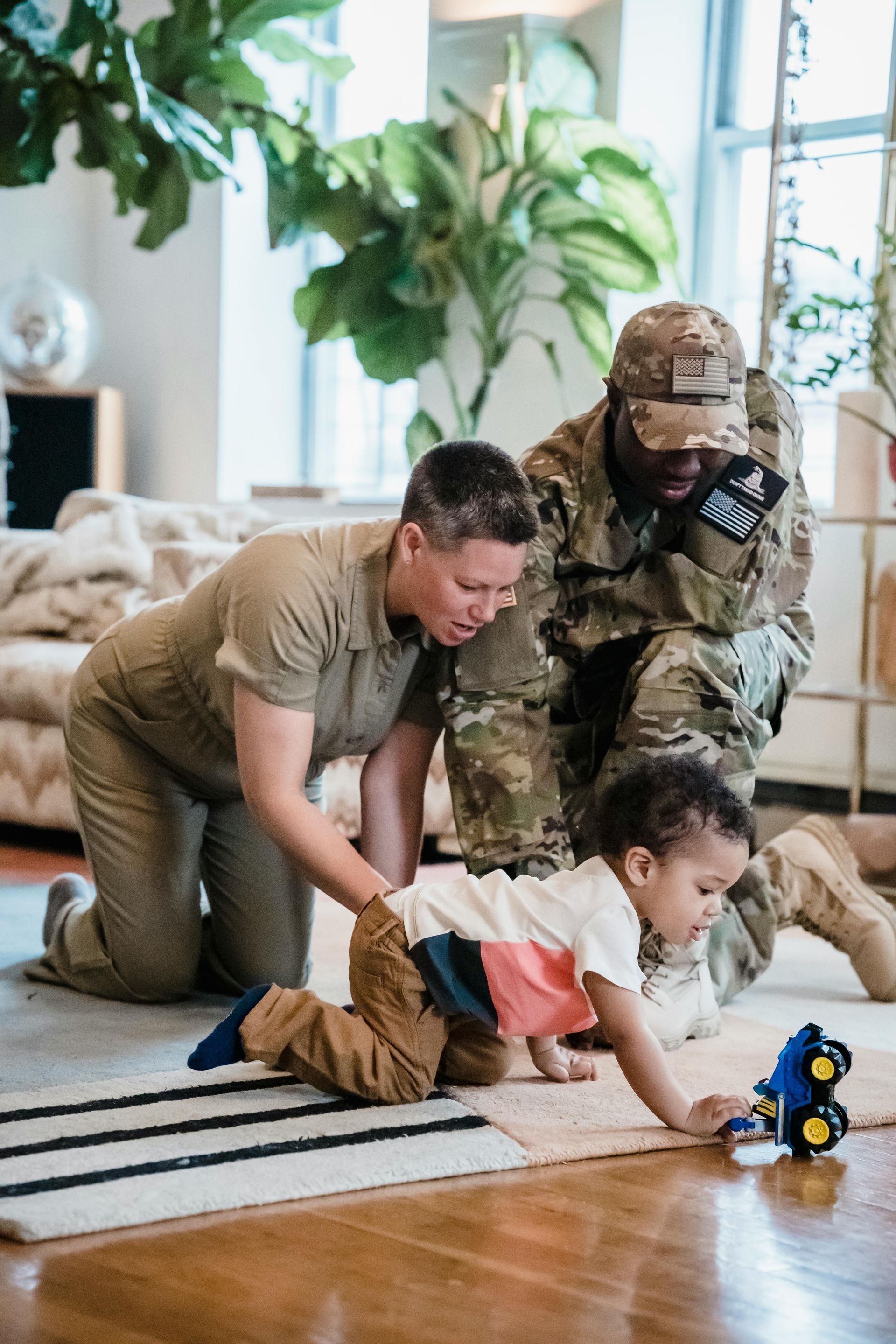
The Ultimate Guide to Military Spouse Life Insurance: Real Protection for Military Families What Is Military Spouse Life Insurance and Why It Matters If you’re part of a military family, you already know—life doesn’t exactly slow down for us. Between deployments, training, and PCS moves, stability can feel like a moving target. That’s where military spouse life insurance comes in. At Emerald Insurance Advocates , we understand the sacrifices and unpredictability that come with military life because we live it too. Life insurance isn’t about fearing the “what-ifs”—it’s about knowing your family’s taken care of, no matter what tomorrow brings. Understanding the Basics of Life Insurance for Military Families Military families usually have access to two main types of life insurance: government programs like SGLI and FSGLI , and private life insurance policies through independent brokers like us. FSGLI offers a good starting point, but it’s limited — and those limits often don’t match what families truly need to stay financially secure. How Military Life Affects Insurance Needs Every PCS, deployment, or career change shifts your financial picture. That’s why we always recommend reviewing your coverage after major changes. You need policies that travel with you, adapt to your lifestyle, and still protect your family when military service ends — and that’s exactly what we help families find every day at Emerald Insurance Advocates. Types of Life Insurance Available for Military Spouses FSGLI: The Government’s Option Family Servicemembers’ Group Life Insurance (FSGLI) covers spouses and children of service members. It’s affordable and easy to set up, but the coverage maxes out at $100,000 — and it ends when you separate from service unless you convert it quickly. Private Life Insurance: Full Control and Flexibility That’s where working with a broker like Emerald Insurance Advocates comes in handy. We shop multiple top-rated companies to find you a policy that covers more, fits your budget, and — best of all — moves with you even after you hang up the uniform. Term Life vs. Whole Life Policies Term life is perfect for military families who need straightforward, budget-friendly protection during active years. Whole life adds cash value and long-term financial benefits. We’ll walk you through which makes the most sense based on your goals, family size, and career plans. Why FSGLI Isn’t Always Enough FSGLI is a great foundation, but it’s meant as a supplement — not a full financial safety net. Once your spouse leaves active duty, that policy ends. Many military families don’t realize this until it’s too late. At Emerald Insurance Advocates , we help you bridge that gap by finding civilian coverage that complements FSGLI. That way, when you move into civilian life, your protection doesn’t disappear. How Emerald Insurance Advocates Helps Military Families As an independent insurance agency serving families near Fort Bragg (Fort Liberty) and licensed across Indiana, Kentucky, Missouri, Tennessee, Texas, and Virginia , we specialize in helping military families protect what matters most. Here’s what makes us different: 💬 We speak your language – We’re a military family too. We get the deployments, the moves, and the “we’ll figure it out later” mindset. 💡 We shop for you – Instead of selling one company’s plan, we find the best coverage across multiple trusted insurers. 🏡 We focus on portability – So your life insurance follows you wherever you go. 🤝 We believe in personal guidance – You won’t get a call center. You’ll get a real human who cares about your family’s peace of mind. Key Tips for Buying Military Spouse Life Insurance Don’t rely solely on FSGLI. It’s temporary and limited. Pair it with a private plan. Make sure both spouses have coverage. Especially if both incomes matter or one spouse is at home caring for kids. Review policies after major life changes. Every PCS or baby is a reason to check coverage. Think long-term. Choose something that fits both your military and civilian chapters. When you work with Emerald Insurance Advocates, we handle all of this for you — explaining options clearly, no jargon, no pressure. Common Mistakes Military Families Make With Life Insurance Forgetting to update beneficiaries. Life changes — your paperwork should too. Not converting coverage after separation. Don’t wait until it’s too late. Overlooking coverage for the spouse. The non-military spouse is often the glue of the family — make sure they’re protected too. How to File a Life Insurance Claim We know it’s the call no one wants to make — but we also know how important it is to have someone help you through it. Whether it’s FSGLI or a private policy, Emerald Insurance Advocates walks families through every step: gathering documents, contacting the carrier, and ensuring your claim is handled quickly and respectfully. Frequently Asked Questions About Military Spouse Life Insurance 1. Do I lose FSGLI when we leave the military? Yes — unless you convert it. We can help you find the best civilian replacement before that happens. 2. Can both spouses get coverage? Absolutely. And they should! Dual coverage keeps your family’s finances steady no matter what. 3. What if my spouse is deployed? No problem. We can do everything virtually — applications, signatures, and policy setup. 4. Can I afford private life insurance? Most families are surprised how affordable it can be. Because we’re brokers, we can find you the best rate possible. 5. What makes Emerald Insurance Advocates different? We’re not a call center. We’re a military family helping other military families protect their futures. 6. How do I start? Easy — reach out to us today. We’ll answer your questions, review your current coverage, and build a plan that fits your family. Final Thoughts: Your Family Deserves Peace of Mind Military life comes with enough uncertainty — your financial future shouldn’t be one of them. Whether you’re active-duty, a veteran, or a military spouse managing it all from home, Emerald Insurance Advocates is here to make sure your family is covered for whatever comes next. 💚 Let’s protect your tomorrow today. Call or message Emerald Insurance Advocates to get started with your personalized military spouse life insurance plan.