
If you're a social media influencer, content creator, or YouTuber earning income through sponsored post s, brand deals, affiliate links, or your own products — you are running a business. And like any business, yours comes with risks that your personal homeowners or renters insurance policy will not cover. The good news is that purpose-built coverage for content creators is more accessible than ever. The tricky part is knowing what you actually need — and recognizing the gap you may already be sitting in. Why Personal Insurance Leaves Content Creators Exposed Most influencers build their careers without thinking much about insurance — and that makes sense, because the path from hobby to income-generating business often happens gradually. One day you're posting for fun. The next, you're signing brand agreements, selling merchandise, managing a team of editors, and generating real revenue. But here's the problem: your homeowners or renters insurance policy is designed to protect personal property and personal liability. The moment your home becomes a filming location, your equipment is used commercially, and someone is paying you for your content, you've stepped outside the protection of most personal policies. A few real scenarios that content creators face: A viewer claims your sponsored product recommendation caused them harm. If you promoted a product in exchange for compensation, you could face claims of negligent endorsement or false advertising. Personal liability coverage typically excludes business-related claims. Your camera gear is stolen. High-end equipment stolen from a commercial-use setting is frequently excluded from homeowners claims once an insurer determines it was used for business purposes. Most homeowners policies cap business equipment coverage at $2,500 or less. You publish content that a brand or individual claims is defamatory or infringes on copyright. Media liability is its own category of risk — and one that insurance industry experts at the October 2026 NetDiligence Cyber Risk Summit flagged as a fast-growing concern as influencer marketing scales into a major commercial sector. A guest, brand rep, or contractor is injured on a shoot at your home or on set. Commercial general liability covers third-party bodily injury in business settings. A personal umbrella policy generally does not extend to business activities. The bottom line: if your content generates income, your liability is no longer purely personal — and your insurance should reflect that. What Coverage Does a Content Creator Actually Need? The right coverage depends on the size of your operation, your revenue, and the type of content you create — but here are the core policies most working influencers should consider: General Liability Insurance is the foundation. It covers third-party bodily injury and property damage claims that can arise from shoots, events, or product promotions gone wrong. For most creators, a Business Owner's Policy (BOP) bundles general liability with commercial property coverage — often the most cost-effective starting point for a solo creator or small creator team. Media Liability / Professional Liability Insurance covers claims tied to the content itself — copyright infringement, defamation, invasion of privacy, or failure to deliver contracted content to a brand partner. As the influencer economy has matured, media liability claims against individual creators have grown significantly, and this coverage is increasingly expected by larger brand partners. Inland Marine / Commercial Equipment Insurance protects your cameras, lighting, drones, microphones, laptops, and other gear wherever it travels — not just in your home. This is especially important for creators who shoot on location regularly. Cyber Liability Insurance matters if you collect email addresses, run a newsletter, manage subscriber or customer data, or operate any kind of e-commerce. A data breach affecting your audience is a business incident with real legal exposure. Errors & Omissions Insurance is worth considering if you consult with brands on campaigns, manage social accounts for other businesses, or carry contractual deliverable obligations. If a client claims your guidance caused them financial harm, E&O protects you. Brand Deals Come With Contractual Exposure — Don't Sign Without Coverage Many creators don't realize that the contracts they sign with brands often include indemnification clauses — meaning that if a lawsuit arises from your content, you may be contractually obligated to cover the brand's legal costs in addition to your own. Some brands now require proof of general liability or media liability insurance before inking a deal. Having the right policy in place doesn't just protect you from claims — it makes you a more credible, professional business partner. That's increasingly important as larger brands apply more scrutiny to the creators they work with and as the FTC continues to tighten its expectations around disclosure and sponsored content. Whether you're a lifestyle blogger in Charlotte, a fitness creator in Dallas, a food influencer in Louisville, or a DIY creator in Virginia Beach, the business risks are the same. Your geography doesn't change your exposure — but working with an independent insurance advocate who understands the creator economy means you get advice tailored to how you actually work, not a one-size-fits-all package designed for a traditional brick-and-mortar business. Ready to Protect Your Content Business? Let's Talk. At Emerald Insurance Advocates , we work with content creators, small business owners, and individuals across Florida, North Carolina, Texas, Virginia, and Kentucky — helping them understand their real exposures and find coverage that fits their business and their budget. We're independent, which means we represent you, not any single insurance company. If you're earning income from your content and you're not sure whether you have the right coverage, that's exactly the kind of question we're here for. Contact us at emeraldinsuranceadvocates.com to start a personalized conversation — no pressure, just straight answers about what your business actually needs.

If you're a military family who rents — and most of us do at some point — your standard renters insurance policy may cover far less than you think.

Your Phone Is Costing You More Than You Think: What a New Crash Study Means for Your Auto Insurance Rate
The Nuclear Verdict Explosion Explained
If your homeowners insurance premium has jumped significantly in the past year or two, you're not imagining it — and you're not alone.
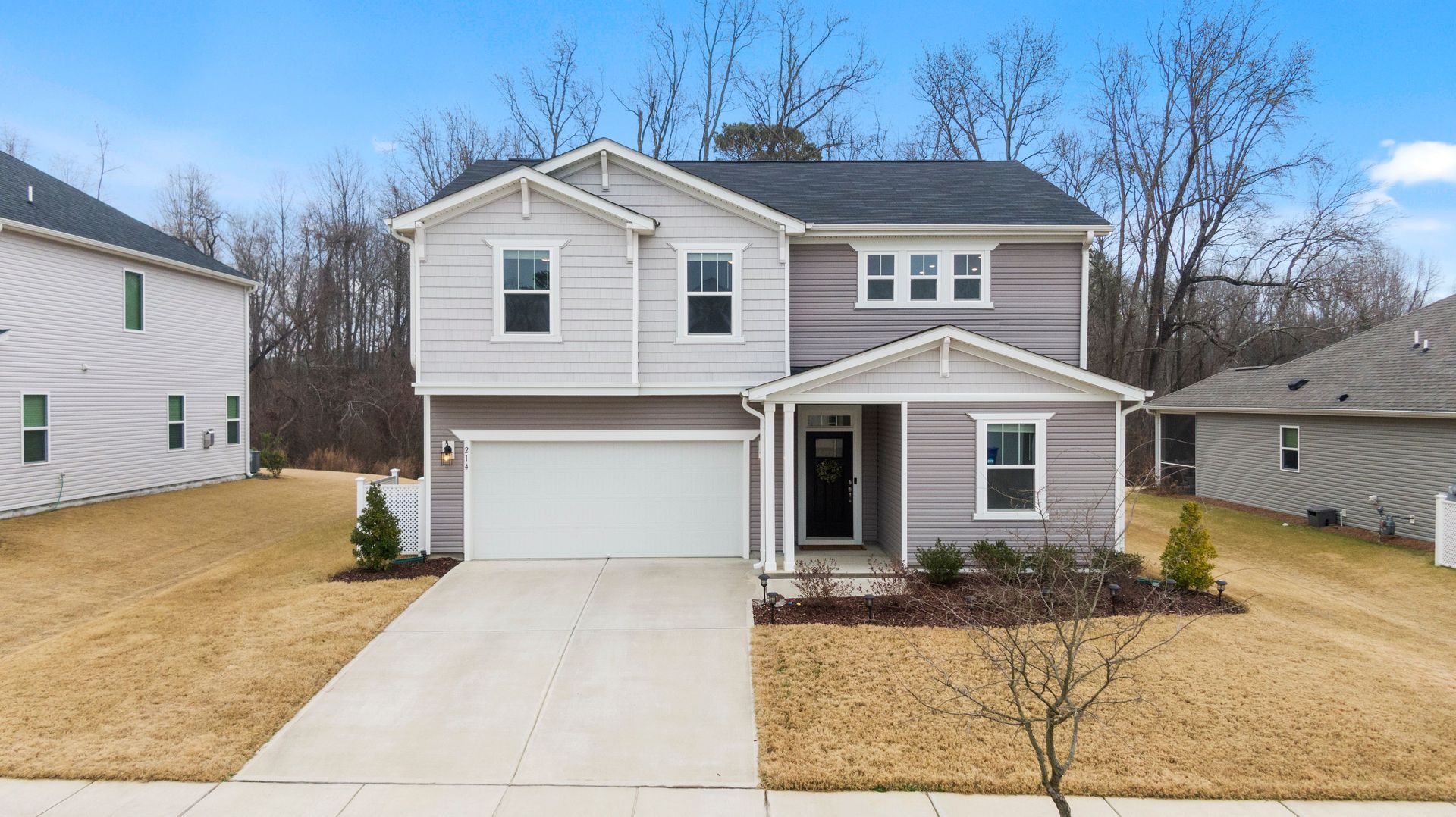
If you've seen headlines saying home insurance rate increases are finally slowing down, you might be wondering why your North Carolina premium just went up again. The short answer: those national trends don't apply equally to every state — and right now, North Carolina is one of the places still feeling the squeeze. Here's what's happening, why it matters, and what you can do about it before the situation gets harder to manage. The National Picture Looks Better — But NC Is an Exception New research from S&P Global Market Intelligence released this week shows that homeowners insurance rate increases nationally have dropped dramatically: from an average of 13.6% in 2024 to about 6.3% in 2025, to roughly 1.8% so far through mid-2026. S&P calls this the "fragmented phase" of the market — meaning the days of broad, nationwide rate hikes are largely behind us, and what happens to your premium now depends heavily on where you live. States like Minnesota and Colorado, which saw rate changes of nearly 17–18% just last year, are now sitting at increases of less than 2%. But other states — North Carolina among them — are still experiencing meaningful increases because the underlying risks, regulatory timelines, and insurer loss histories haven't normalized the same way. In North Carolina specifically, a two-year rate settlement means homeowners are in the middle of a phased 15% total increase: 7.5% took effect in 2025, and another 7.5% hit on June 1, 2026. The NC Rate Bureau had originally requested a 42.2% increase, citing the rising cost of reinsurance, construction inflation, and increasingly severe storms. The Insurance Commissioner rejected that request, but the settled increases are still very real for families reviewing their bills right now. What's Driving Risk — and Rates — Higher in NC Three interconnected pressures explain why North Carolina isn't getting the relief other states are seeing. Storm exposure. North Carolina sits squarely in the crosshairs of Atlantic hurricane activity and inland flood events. Climatologists at the U.S. Climate Prediction Center just issued a striking forecast: there's now a 69% chance of a historic El Niño event this fall and winter — one that could exceed anything recorded in the 76 years scientists have been tracking it. An El Niño of this magnitude typically means more intense late-season storm activity in the Southeast. For NC homeowners, that's a real concern heading into the fall. Construction costs. Rebuilding after a loss is significantly more expensive than it was three years ago. Labor shortages and the lingering effects of materials inflation mean that your dwelling coverage limit — the amount your policy would pay to rebuild your home — may be lower than what it would actually cost to reconstruct. Many NC homeowners are underinsured without knowing it. Reinsurance costs. Carriers don't absorb catastrophic loss risk alone — they purchase reinsurance to share it. Those reinsurance markets have been expensive, and those costs flow downstream to consumers through higher premiums, higher deductibles, or both. When reinsurers tighten, coverage options narrow. What Smart NC Homeowners Should Do Right Now Knowing why your rates are rising is one thing. Knowing what to do about it is where an independent insurance advocate can make a real difference. Review your dwelling coverage limit. Given inflation in construction costs, there's a good chance your home is insured for less than it would cost to rebuild today. Ask your insurer or an independent agent to run a replacement cost estimate — not market value, replacement cost — and make sure your coverage keeps pace. Shop the market. Unlike captive agents who represent a single carrier, an independent insurance advocate works on your behalf across multiple companies. In a fragmented market like this one, rates vary significantly from carrier to carrier for the same home. Shopping the market could save you hundreds of dollars annually even in a difficult rate environment. Don't reduce coverage to reduce the bill. This is a common and costly mistake. Raising deductibles strategically can help manage premiums, but dropping coverage limits or removing endorsements (like extended replacement cost coverage or sewer backup protection) to cut costs can leave you dangerously exposed after a storm. Check your flood coverage separately. Standard homeowners policies don't cover flooding. With El Niño expected to intensify storm and rainfall patterns across the Southeast, flood risk is a timely concern for NC homeowners — especially those not in traditional flood zones who may assume they don't need it. Whether your premiums just ticked up and you want to know if you're getting a fair deal, or you haven't looked at your homeowners coverage in a few years and aren't sure it still reflects what your home would cost to rebuild, this is a good time for a fresh set of eyes. At Emerald Insurance Advocates , we provide independent insurance advice with no loyalty to any single carrier — only to you. We serve clients in North Carolina, Texas, Virginia, and Kentucky, and we're here to help you make sense of a market that's anything but one-size-fits-all. Contact us at emeraldinsuranceadvocates.com to schedule a no-pressure coverage review.
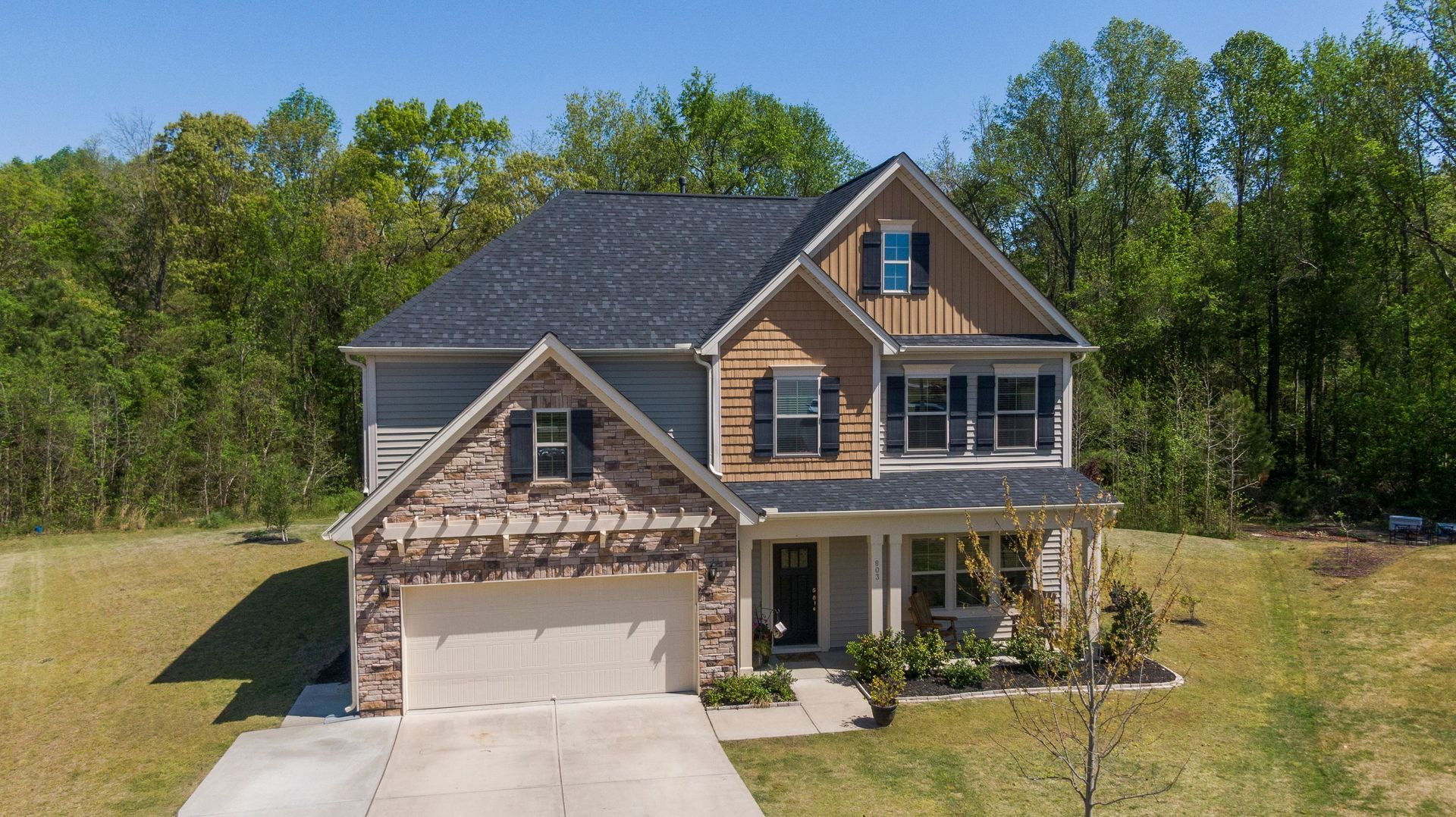
The homeowners insurance "fragmented phase" story — why national headlines about "stabilizing rates" don't match the reality for homeowners in NC, VA, TX, and KY.

Military families face rising Tricare costs & fraud risks. Get expert insurance advocacy today to secure your financial future.

If your small business uses any AI tools — and these days, most do — there's a growing chance your commercial liability insurance policy won't cover you if that AI causes a problem. Here's what that means for you, and what to do about it.

Learn how distraction-free driving can save you money on insurance. Adopt safe habits today for better coverage!